Transparency
Understanding our supply chain


No more secrecy
Let's put our cards on the table


We care about the small print
On this page we would like to give you a clear insight into our supply chain - so that you know exactly where our products come from and how they are processed.
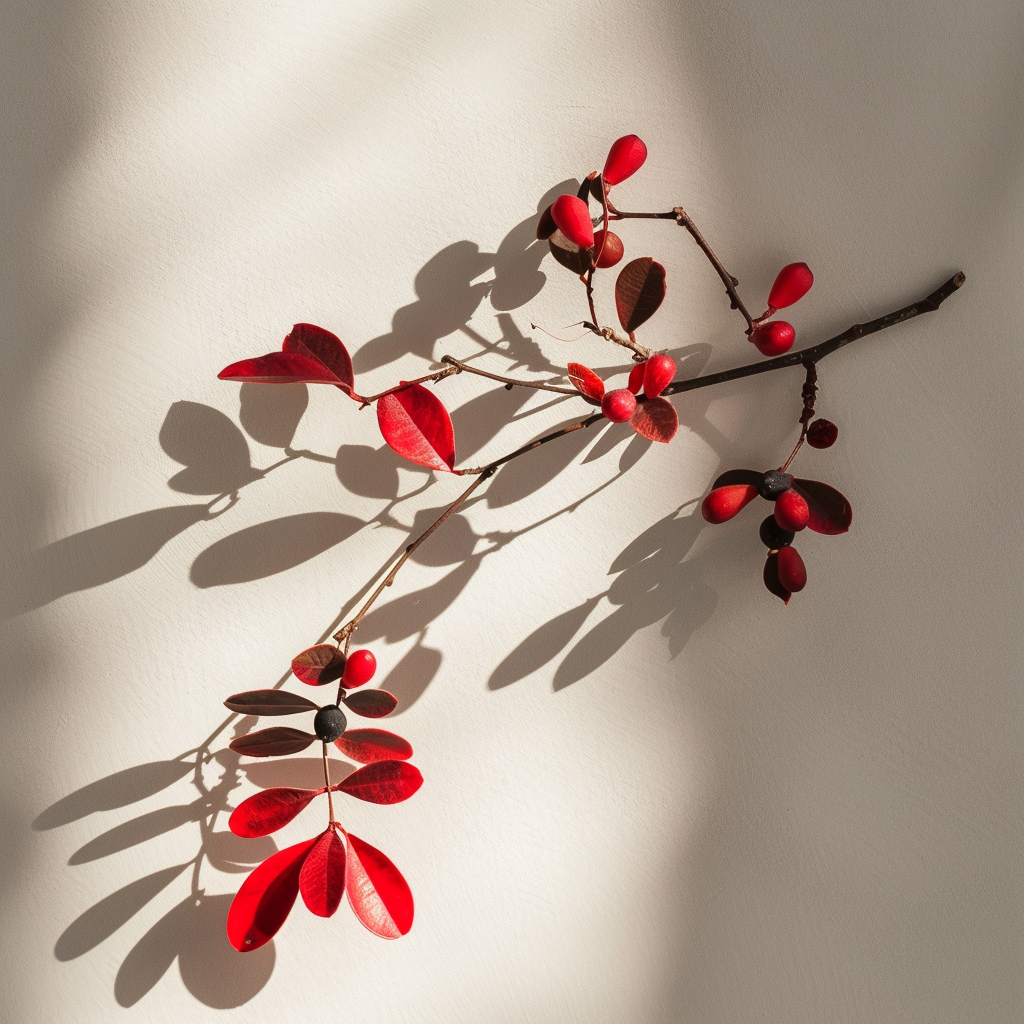
Our barberries come from the Khorasan region of Iran, where they are carefully harvested by hand by local smallholders and gently dried in the sun. Incidentally, around 94% of the world's barberry production comes from Iran.
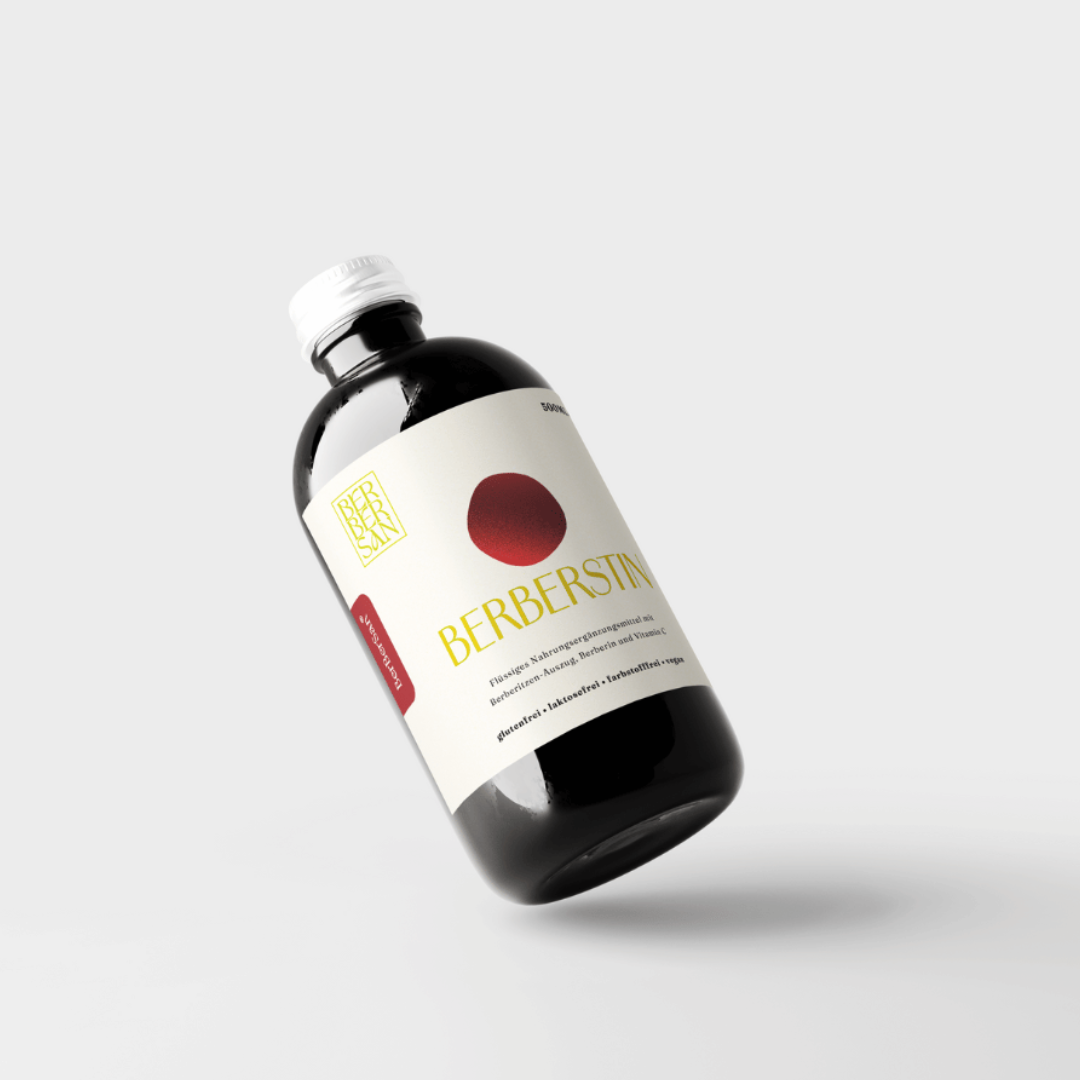
The dried fruits then travel to Austria, where they are further processed at our production site in Schladming (Styria) by an experienced team of pharmacists. The barberries are regularly tested by an independent German laboratory for residues, heavy metals and pesticides.
The berberine we use - mainly from Shenzhen, China - is also subject to these quality controls. This means we not only meet all legal requirements but also make sure you receive a safe, high-quality product.
We do not import our raw materials from countries such as Iran or China for cost reasons, but because that is precisely where their cultural and medical origin lies:
The barberry comes from the north-east of Iran, in particular the Khorasan region, where it has played a central role in Traditional Persian Medicine (TPM) for centuries. There it is used to support the liver, gallbladder, digestion and metabolism - knowledge that has been passed down through generations and is still practised today. The berberis vulgaris fruit used occurs almost exclusively in Persia.
Berberine, the main active compound of barberry, was described more than 2,000 years ago in Traditional Chinese Medicine (TCM). In TCM, berberine is regarded as a bitter compound with cleansing, cooling and anti-inflammatory properties, used in particular for metabolic disorders, infections and to strengthen gastrointestinal function. We use berberine from the berberis aristata fruit, which is grown mainly in China and India.
By sourcing directly from these countries of origin, we not only honour the cultural and medical history of the plants but also ensure that we process the best available raw materials in their most original form.
The water for Berberstin and Suxero® comes from Austria, from the region around Schladming - a further contribution to pure quality.
We source our amber glass bottles, closures and labels from Austrian and German partner companies. In this way we promote regional collaboration while ensuring the highest processing standards.
Suxero® has been our second liquid supplement since October 2026. The mulberry leaf extract (Morus alba, standardised to 5% 1-DNJ) comes from China, where the white mulberry tree has been cultivated for millennia and the leaf is traditionally used with meals. Every batch is delivered with a certificate of analysis (including 1-DNJ content) and additionally tested by our Austrian laboratory for heavy metals and pesticides. Chromium (as chromium picolinate) and vitamin C come from European suppliers. Suxero® is bottled in Austria and undergoes its own stability study over 6 months at 40 °C and 25 °C.
Our ashwagandha products are made entirely in Austria - by a long-standing, trusted partner company.
Our book "Berberitze: Rubinrote Medizin aus Persien" is also a labour of love, which we realised together with the Austrian publishing house Verlagshaus der Ärzte.
Through the conscious selection of our partners and local processing, we want to offer you a product that is not only wonderfully supportive and well tolerated - but is also made with respect for people and the environment.
A selection of the sources we rely on
You will find the complete, annotated list with study type and funding on our science page. If you have a specific question, please send us an email.
Hepatobiliary system
Hepatobiliary system
Type 2 diabetes
Type 2 diabetes

The BerBerSan® Team
The founding team behind Berberstin and Suxero®:
Mag. pharm. Dr. Agnieszka Magg - pharmacist, head of the pharmaceutical division
Bernhard Sikora, MSc - health economist and managing director
Priv.-Doz. Dr. Babak Bahadori - internist and researcher, responsible for medical direction
(from left to right)